Facilities Management Articles
Filter By Category
Accounting, Finance & BudgetingHuman ResourcesProject ManagementAdministration & SecretaryQuality & ProductivityCustomer ServiceHealthcare ManagementSales & MarketingFacilities ManagementLogistics & Supply ChainMedia & Public RelationsEnvironmental & AgricultureSafety & SecurityConstructions & Civil EngineeringOil and GasLegal, Contracts & ProcurementPower Systems & MaintenanceIT and Computer ScienceHospitality & TourismData Science and VisualisationProduct ManagementShipping, Maritime & PortsArtificial Intelligence (AI)Diplomacy and Public AffairsLaw Enforcement and Policing
Facilities Management
Main Articles of This Category

Essential Compliance in Facility Management Explained
Modern organisations rely on well-managed facilities to ensure safety, efficiency, and uninterrupted operations, yet many still struggle with hidden risks, inconsistent maintenance, and increasingly complex regulations. This is why compliance in facility management has become essential, providing a structured approach that connects management, managers, and operational teams into a unified system that improves performance, reduces risks, and ensures every facility remains safe, maintained, and fully compliant.
3 June 2026
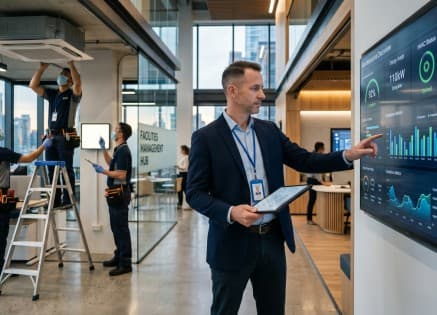
Top Benefits of Professional Facilities Management
Poorly managed facilities cost more than most organizations realize. Unplanned maintenance, energy inefficiency, compliance failures, and low staff productivity are all symptoms of the same underlying problem: a lack of structured facilities management. The benefits of facilities management are measurable, well-documented, and directly tied to how well a business controls its costs, protects its people, and maintains its assets. In this article you will read a clear, evidence-based breakdown of the top benefits — from operational efficiency and safety compliance to software integration and outsourcing strategy — giving business leaders and FM professionals the insight they need to make informed investment decisions.
29 May 2026
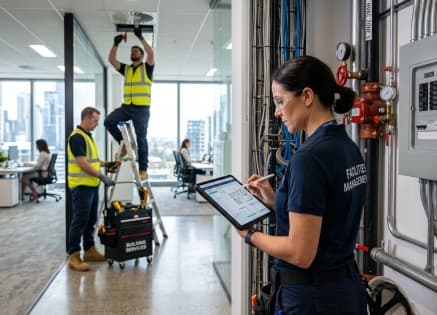
Facilities Manager Roles and Responsibilities: A Practical Business Guide
Facilities management plays a vital role in maintaining safe, efficient, and productive workplaces. Facility managers oversee maintenance, operations, safety, and workplace services to ensure buildings support business performance and daily operational success.
22 May 2026

Essential Facility Management Skills for Success
Facility management plays a vital role in improving workplace efficiency, safety, and business performance. To succeed in this growing field, professionals need a combination of leadership, operational, and technical skills to manage facilities effectively, support sustainability, reduce costs, and maintain productive.
21 May 2026
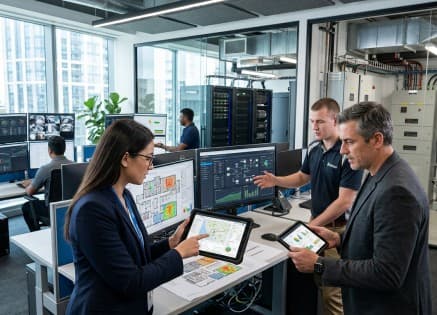
Comprehensive Guide to Facilities Management Strategy
Modern workplaces are under pressure to do more with less: lower costs, safer environments, better employee experience, stronger compliance, and smarter use of space. A well-built facilities management strategy gives leaders the structure to balance these demands, prioritize investment, and keep facilities aligned with how the business actually operates.
7 May 2026
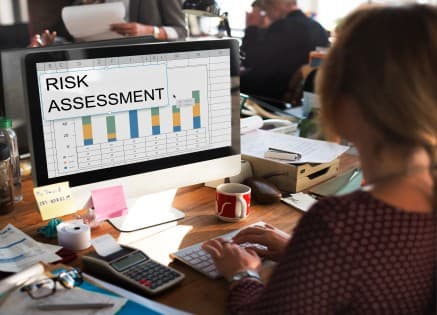
Effective Facilities Management Risk Assessments Explained
Discover how effective facilities management risk assessments can transform your organisation’s safety, continuity, and operational control. By identifying hidden hazards, prioritizing critical actions, and linking risks to real business processes, these assessments help facilities leaders make faster, smarter decisions while protecting people, assets, and overall performance.
7 April 2026
Understanding the Various Types of Facility Management
Facility management shapes how buildings perform, how people experience them, and how efficiently organisations operate behind the scenes. Understanding the different types of facility management helps business leaders choose the right mix of services, technology, compliance controls, and maintenance strategies for each site. From offices and hospitals to industrial facilities and large commercial portfolios, the right approach can reduce costs, improve safety, support sustainability, and turn day-to-day operations into a stronger strategic advantage.
2 April 2026
Key Concepts in Facilities Management Basics
Discover how mastering the basics of facilities management can transform your organization’s performance and efficiency. As businesses face rising operational challenges and increasing demands for safety and compliance, understanding core facilities management concepts becomes essential to creating well-organized, productive, and sustainable work environments.
29 March 2026
Navigating Compliance in Facility Management Best Practices
Ensuring compliance in facility management is essential for safe, efficient, and legally sound operations. From maintenance and inspections to regulations and risk control, understanding compliance helps facility managers improve performance, avoid penalties, and create secure, high-performing environments.
28 March 2026
Key Elements of a Facilities Management Framework
Managing facilities efficiently is essential for any organization aiming to boost productivity, safety, and cost control. A well-structured facilities management framework helps streamline operations, align services with business goals, and ensure sustainable, compliant, and high-performing workplace environments across industries.
27 March 2026
Latests Articles

Key Challenges of Digital Transformation in Banking Sector
Digital transformation in banking goes beyond adopting new technology—it is a critical strategy fraught with complex hurdles, from legacy systems and cyber risks to data governance and skill gaps. True success relies on managing this shift as a set of commercial decisions that balance innovation with regulatory compliance, security, and customer trust.
22 October 2026

The Role of AI in Skills Forecasting and Development
As industries evolve, knowing which skills will matter tomorrow is just as important as understanding what businesses need today. AI makes skills forecasting more practical by analysing trends, identifying gaps, and helping professionals choose the right training for future career opportunities.
14 October 2026

Agricultural Advantages Arising from Climate Change
Climate change is often associated with agricultural challenges, but can it also create new opportunities? In certain regions, changing temperatures and rainfall may support longer growing seasons, new crops, and improved growing conditions, depending on local circumstances and adaptation.
13 October 2026