How Is Risk Assessed in Oil and Gas?
Executing a structured risk assessment in the oil and gas industry ensures that organizations address high-priority threats effectively using this six-step process:
Finding potential sources of harm through thorough hazard identification techniques like HAZOP or What-If analyses.
Evaluating the probability and severity of identified threats.
Ranking threats using a standardized risk matrix (comparing likelihood versus consequences) to determine residual risk levels. Enrolling teams in targeted oil and gas training courses in Dubai helps build internal competency for accurate evaluations.
- Risk Treatment and Mitigation:
Applying engineering controls, safeguards, or operational procedures to reduce risks to acceptable levels.
Continuously tracking environmental parameters, asset health, and oil and gas compliance metrics.
Updating strategies based on real-world operational data to refine future risk management in the oil and gas industry.
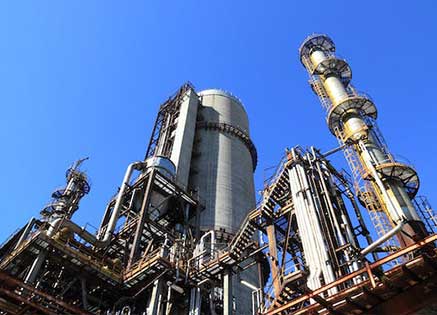
Technology and Safety Culture in Oil and Gas Risk Management
Modern risk management in the oil and gas industry blends cutting-edge technology with strong human leadership. Advanced technologies—such as artificial intelligence, IoT sensors, predictive analytics, digital twins, autonomous drones, satellite monitoring, and machine learning—allow companies to predict equipment failures before they occur.
However, technology alone cannot prevent accidents. A safety-first culture requires unwavering leadership commitment, proactive near-miss reporting, rigorous behavioral safety programs, strict contractor management, and comprehensive emergency preparedness to address operational risk in oil and gas.
Lessons from Major Oil and Gas Incidents
Historic disasters underscore why risk management in the oil and gas industry must never be compromised:
- Deepwater Horizon (2010): Highlighted the devastating impact of well-control failures, weak barrier management, and inadequate emergency response plans.
- Piper Alpha (1988): Demonstrated how communication breakdowns during maintenance and flawed safety design can lead to massive loss of life.
- Texas City Refinery (2005): Showed the catastrophic consequences of ignoring mechanical integrity, process safety indicators, and early warning signs.
These events teach us that robust oil and gas risk management requires vigilant leadership, regular audits, and an active safety culture at every operational level.
Best Practices for Effective Oil and Gas Risk Management
To protect workforce safety and financial resilience, energy organizations should implement these core strategies:
- Adopt internationally recognized frameworks like ISO 31000 and OSHA guidelines.
- Integrate HSE objectives directly with enterprise-wide project risk management.
- Conduct routine hazard identification workshops and quantitative risk assessments.
- Invest in continuous workforce training and competency development programs.
- Maintain rigorous oversight over third-party contractors and primary suppliers.
- Deploy digital monitoring tools and predictive analytics for real-time asset tracking.
- Maintain thoroughly tested emergency response and business continuity plans.
- Establish continuous feedback loops to ensure ongoing oil and gas compliance.
Strengthen Your Oil and Gas Risk Management Skills
Mastering risk management in the oil and gas industry is vital for safeguarding operational efficiency, regulatory compliance, and workforce safety. Professional development empowers managers, engineers, and safety officers to master risk assessment, process safety, and emergency protocols. Explore specialized Oil & Gas, HSE, and Risk Management training courses at London Premier Centre to elevate your organization's risk capabilities.
Maintaining robust risk management in the oil and gas industry is essential for protecting lives, assets, and operational continuity in a fast-changing energy landscape. By combining digital tools, strict compliance, and continuous training, and continuous training, companies can learn to mitigate complex threats effectively. Build resilient operations today—explore specialized training courses to advance your team's risk management expertise.